
Experience Community Healthcare Beyond the City
The Healthcare Volunteering in Rural Community Hospitals Program offers medical students, nursing students, healthcare trainees, and qualified professionals an opportunity to observe and support healthcare services in rural Nepal.
Many rural communities have limited access to specialist treatment, modern medical equipment, and trained healthcare professionals. Local hospitals, health posts and community clinics often work with limited resources while serving patients from surrounding villages.
Through this program, participants can learn how healthcare is delivered in a rural setting, understand common public-health challenges and experience the social and cultural factors that influence health in Nepal.
The program is designed as an educational and observational placement. Participants work alongside local healthcare staff while respecting hospital policies, patient privacy and professional boundaries.
Program Objectives
Program Objectives
- Introduce participants to rural healthcare systems in Nepal
- Provide observational experience in community hospitals and clinics
- Support existing healthcare and public-health activities
- Encourage cultural and professional exchange
- Increase awareness of healthcare challenges in rural communities
- Help participants understand the connection between poverty, geography, education and health
- Promote responsible and ethical international healthcare participation
What Will Participants Do?
Activities depend on the participant’s qualifications, the hospital’s needs and the availability of local healthcare staff.
Participants may:
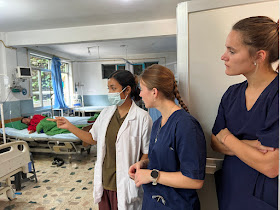
- Observe doctors, nurses and health assistants during their daily duties
- Attend outpatient consultations
- Observe patient assessment and treatment procedures
- Learn about maternal and child healthcare
- Observe emergency and general medical services
- Visit local health posts or community clinics
- Participate in health-awareness activities
- Support health-education sessions on hygiene, sanitation, nutrition or disease prevention
- Assist with basic administrative or non-clinical activities
- Learn about patient referral systems
- Observe how hospitals manage limited equipment and supplies
- Discuss rural healthcare challenges with local professionals
- Participate in community-health outreach when available
Activities may change according to patient numbers, local priorities, staff availability and hospital regulations.
Observation and Hands-On Work
Most participants will primarily observe and shadow qualified healthcare professionals.
Hands-on medical work is not guaranteed. Participants must not perform examinations, procedures, prescribe medicines or provide treatment unless:
- They are appropriately qualified;
- The hospital has granted permission;
- A qualified healthcare professional is directly supervising them; and
- The activity is legally and professionally appropriate.
Medical and nursing students must remain within their level of training and follow the instructions of hospital staff at all times.
GapBridge Nepal does not encourage unsafe or unauthorised medical practice.
Placement Areas
Depending on availability, participants may observe services in areas such as:
- General medicine
- Emergency care
- Paediatrics
- Maternal and child health
- Outpatient services
- Community health
- Basic laboratory services
- Pharmacy
- Public-health education
- Rural health posts
- Health camps and outreach programs
A particular department cannot always be guaranteed. Participants should remain flexible and open to learning from different areas of rural healthcare.
A Typical Day
A normal placement day may begin between 8:30 and 10:00 a.m. and finish between 3:00 and 5:00 p.m.
A typical day may include:
- Morning briefing with hospital staff
- Observing outpatient consultations
- Shadowing doctors or nurses
- Learning about patient records and referral procedures
- Lunch break
- Visiting a local health post or community project
- Preparing health-education materials
- Reviewing the day’s experiences with the local coordinator
Schedules may change because of emergencies, local events, public holidays, festivals or the needs of the hospital.
Flexibility, patience and respect are essential.
Accommodation and Meals
Participants normally stay with a local host family, in a guesthouse, volunteer house or simple local lodge near the placement.
Accommodation may include:
- A private or shared room
- A bed, mattress, blanket and basic furniture
- Shared bathroom facilities
- Breakfast and dinner
- Local support during the placement
Meals usually include traditional Nepali food such as rice, lentils, vegetables, curry, roti, noodles, eggs and seasonal produce.
Living in a local community allows participants to learn about Nepalese family life, food, language and traditions.
Who Can Join?
This program is most suitable for
- Medical students
- Nursing students
- Public-health students
- Paramedic or emergency-care students
- Physiotherapy students
- Pharmacy students
- Healthcare professionals
- Pre-medical students seeking observational exposure
- Individuals with a genuine interest in community health
Applicants should be responsible, respectful and willing to work in a basic rural environment.
Previous medical training is helpful, but some non-clinical community-health activities may also be available to participants without professional qualifications.
Application Requirements
Participants may be asked to provide:
- Completed application form
- Current CV or résumé
- Copy of passport
- Recent photograph
- University or college confirmation letter
- Proof of current course or professional status
- Travel and medical insurance
- Criminal-background check, when required
- Vaccination information
- Emergency contact details
Medical and nursing students should provide a letter confirming their current year and field of study.
Application Requirements
Participants may be asked to provide:
- Completed application form
- Current CV or résumé
- Copy of passport
- Recent photograph
- University or college confirmation letter
- Proof of current course or professional status
- Travel and medical insurance
- Criminal-background check, when required
- Vaccination information
- Emergency contact details
Participants who stay longer usually gain a better understanding of the hospital, staff, patients and rural healthcare system.
Program Fees
| Duration | Program fee in US$ |
| 1 Week | 400 |
| Each Additional Week | 100 |
Additional transportation costs may apply when a placement requires a private jeep, domestic flight or extended travel to a remote community. Any additional cost will be explained before confirmation.
What Is Included?
The program fee normally includes:
- Pre-arrival information and application support
- Rural healthcare placement arrangement
- Airport pickup in Kathmandu
- Program orientation
- Cultural and safety briefing
- Introduction to the hospital or clinic
- Accommodation during the placement
- Breakfast and dinner
- Local coordination
- Transportation assistance to the placement
- Emergency support
- GapBridge Nepal identification card, when required
- Certificate of participation
What Is Not Included?
The program fee does not include:
- International airfare
- Nepal visa
- Travel and medical insurance
- Vaccinations and medicines
- Personal medical expenses
- Lunch, snacks and bottled drinks
- Personal transportation
- Laundry, telephone and internet charges
- Sightseeing and entrance fees
- Optional tours, trekking or recreational activities
- Domestic flights or private jeep transportation, unless stated
- Hotel accommodation before or after the placement
- Expenses caused by weather, strikes, road closures or other circumstances beyond our control
Health, Safety and Professional Conduct
Participants must:
- Follow hospital rules and local laws
- Respect patient dignity and confidentiality
- Avoid photographing patients without formal permission
- Never share patient information on social media
- Wear appropriate professional clothing
- Follow infection-prevention guidelines
- Remain within their training and competence
- Follow the instructions of authorised hospital staff
- Respect local culture and community practices
- Maintain appropriate professional boundaries
Serious misconduct may result in removal from the placement.
Why Join This Program?
This program offers an opportunity to understand healthcare from a different perspective.
Participants can observe how medical professionals provide services in communities where resources, transportation and specialist care may be limited. They can also learn how economic conditions, education, nutrition, sanitation and geography affect people’s health.
The experience can help participants develop greater cultural awareness, adaptability, communication skills and understanding of global health.
Most importantly, the program encourages participants to learn from local professionals and support existing healthcare efforts rather than replacing local staff.
Combine Healthcare Volunteering with Travel
Participants may combine the rural healthcare program with:
- Medical electives in Kathmandu
- Public-health projects
- Teaching programs
- Cultural tours
- Mountain trekking
- Wildlife tours
- Meditation or monastery stays
GapBridge Nepal can help create a personalized itinerary according to the participant’s interests, qualifications and available time.