Volunteering in Mountain, challenges and funs
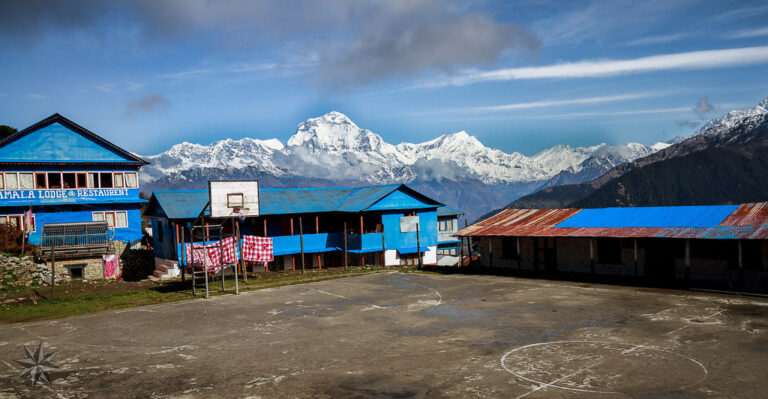
Volunteering in the mountains of Nepal can be one of the most rewarding ways to experience the country. Beyond the popular trekking routes and mountain views, many Himalayan and hill communities depend on small schools, health posts, monasteries, local organisations and family-run farms. Volunteers can spend time supporting these communities while gaining a much deeper understanding of rural Nepali life.
Mountain volunteering is suitable for people of different ages and backgrounds. You do not necessarily need professional skills or previous trekking experience. What matters most is good health, flexibility, patience and a willingness to adapt to a different way of life.
What Can Volunteers Do?
Volunteer activities depend on the needs of each community and the skills of the participant.
Teaching and Education
Remote schools often welcome additional support with English, reading, creative activities, sports and basic computer skills. Volunteers may work alongside local teachers rather than replacing them.
Those staying near Buddhist communities may also have opportunities to teach conversational English to young monks or support educational activities in monasteries.
Community and Practical Projects
Depending on the location, volunteers may participate in:
- Painting and improving classrooms
- Building or repairing school furniture
- Environmental clean-up campaigns
- Tree planting
- Community gardening
- Supporting local farmers
- Health-awareness activities
- Helping women’s or youth groups
- Small construction and renovation projects
Qualified healthcare workers or medical students may also be able to observe or support rural health services under appropriate supervision.
Challenges of Mountain Volunteering
Mountain life can be beautiful, but volunteers should arrive with realistic expectations.
Transportation and Walking
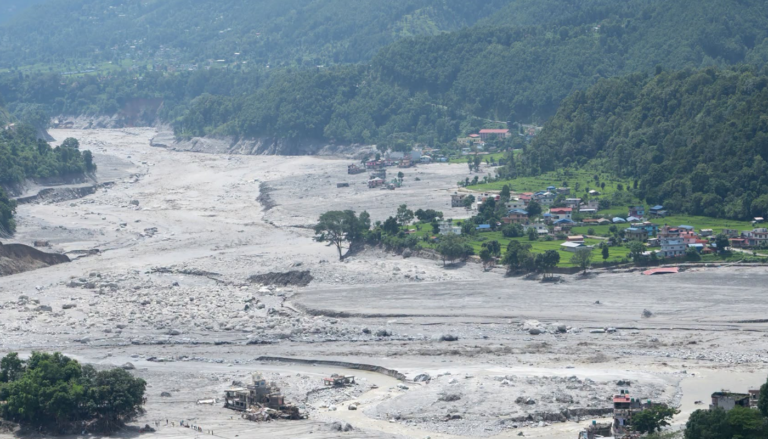
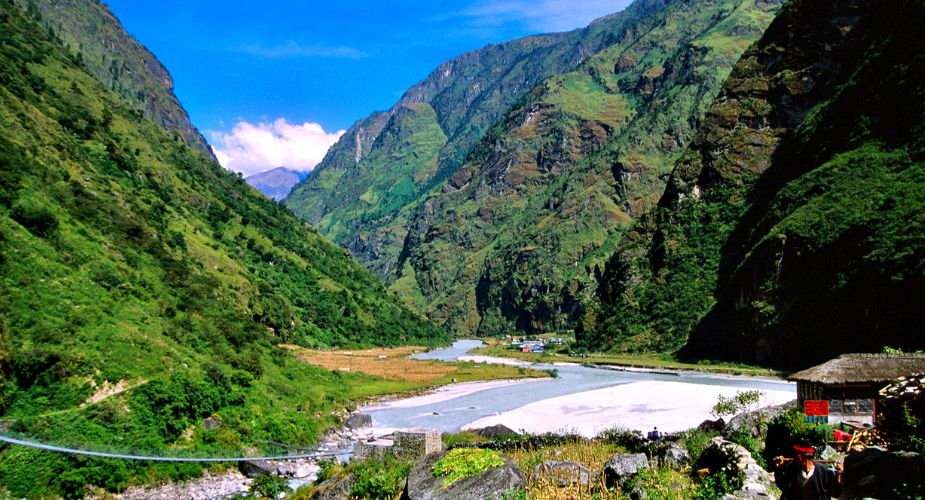
Some villages cannot be reached directly by road. Volunteers may travel by local bus or jeep and then walk for several hours. Roads can be rough, especially during the monsoon season.
Basic Living Conditions
Accommodation may be a family homestay, monastery, lodge or simple community guesthouse. Hot showers, reliable electricity, heating and fast internet should not always be expected.
Meals are usually simple and locally prepared. Dal Bhat—rice, lentils and vegetables—is common and may be served frequently.
Altitude and changing weather can also be challenging in higher locations. Volunteers should allow time to acclimatise and should not underestimate mountain conditions.
The Fun Side of Volunteering
The challenges are also part of what makes the experience memorable.
Volunteers may wake up to Himalayan views, walk through terraced fields, share tea with local families and participate in village celebrations. They may learn basic Nepali words, help prepare traditional meals, play games with schoolchildren or spend evenings talking with host families.
There may also be opportunities for hiking, visiting monasteries, exploring local markets and joining cultural festivals.
For volunteers of any age, the experience can provide a welcome break from everyday routines and a chance to experience a slower, more community-focused lifestyle.
Preparing for the Experience
Good preparation makes mountain volunteering safer and more enjoyable. Volunteers should bring comfortable walking shoes, warm layers, rain protection, a reusable water bottle, basic personal medicines and suitable travel insurance.
More importantly, bring an open mind. Rural Nepal may not operate according to the schedules, facilities or expectations you are accustomed to.
More Than Just Volunteering
Volunteering in the mountains of Nepal is not simply about travelling somewhere remote to “help.” Responsible volunteering means listening to local people, respecting their knowledge and contributing to projects that communities themselves consider useful.
With the right attitude, mountain volunteering becomes a combination of service, cultural exchange, adventure and personal learning—and often one of the most memorable ways to discover Nepal.