
Support Children Through Learning, Play and Positive Engagement
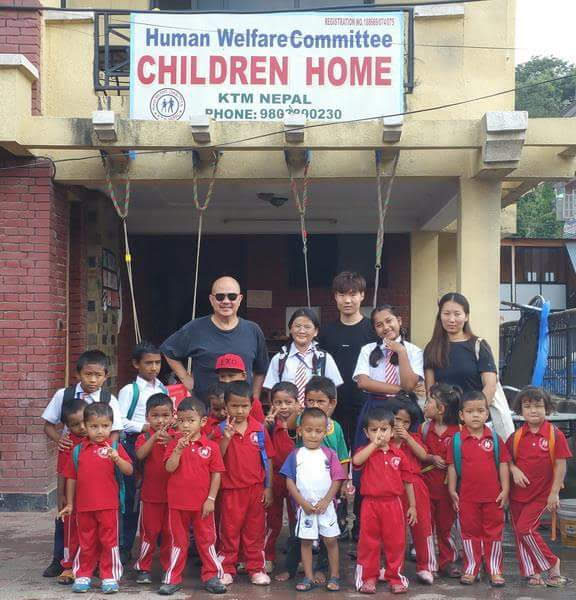
The Childcare and Community Support Volunteering Program in Nepal offers volunteers an opportunity to support children living in residential care homes, community centers, and other child-support organizations.
Some children in Nepal live away from their families because of difficult social or economic circumstances, family separation, disability, or limited access to education and care. Local organizations work to provide them with a safe environment, education, daily care, and opportunities for personal development.
Gap Bridge Nepal works with local organizations where volunteers can support existing staff through educational, recreational, and practical activities.
The purpose of this program is not to replace local caregivers but to provide responsible additional support while respecting the dignity, privacy, and wellbeing of every child.
What Can Volunteers Do?
Activities depend on the needs of the organization, the age of the children, and the volunteer’s skills.
Volunteers may help with:
- Homework and schoolwork
- Basic English-language practice
- Reading and storytelling
- Arts and crafts
- Drawing and painting
- Educational games
- Sports and outdoor activities
- Music and dance
- Computer or digital-learning activities
- Organising books and learning materials
- Helping prepare classrooms or study areas
- Supporting hygiene and cleanliness activities
- Gardening and environmental projects
- Assisting staff during organised group activities
Volunteers with particular skills in education, music, art, sports, or technology are encouraged to share them with the local coordinator before arrival.
Education Support
Education is one of the most valuable areas where volunteers can contribute.
Depending on the children’s needs, volunteers may assist with:
- English vocabulary and conversation
- Reading and writing
- Basic mathematics
- Homework support
- Educational games
- General knowledge
- Creative learning
- Computer skills
- Environmental awareness
- Personal hygiene education
Activities should be age-appropriate, enjoyable, and designed together with local staff.
Creative and Recreational Activities
Children also benefit from structured recreational activities that encourage confidence, teamwork, and creativity.
Volunteers may organize:
- Football, volleyball or badmintonIndoor games
- Drawing competitions
- Painting
- Handicrafts
- Singing and music
- Dance
- Storytelling
- Drama
- Quiz activities
- Cultural exchange sessions
Volunteers should work with groups rather than developing exclusive relationships with individual children.
Improving the Learning Environment
Volunteers may also participate in practical projects around the center.
These can include:
- Painting classrooms or common areas
- Decorating learning spaces
- Creating educational murals
- Organising libraries
- Making learning materials
- Gardening
- Cleaning play areas
- Repairing simple furniture
- Building bookshelves or storage units when suitable skills are available
Construction or technical work should always be supervised by experienced local workers.
Who Can Join?
This program may be suitable for:
- Gap-year students
- University students
- Teachers
- Education students
- Social-work students
- Families
- Retired professionals
- Youth groupsSchool groups
- Individuals interested in child development and community service
Volunteers should be patient, responsible, culturally sensitive, and comfortable working with children in a structured environment.
Previous teaching or childcare experience is useful but not always required.
Child Safeguarding
The well-being of children must always come first.
Volunteers are required to follow the safeguarding policies of Gap Bridge Nepal and the host organisation.
Volunteers must:
- Treat every child with dignity and respect
- Follow instructions from local caregivers
- Avoid being alone with a child where this is not permitted
- Never use physical punishment
- Avoid inappropriate physical contact
- Never give large gifts or money directly to individual children
- Avoid exchanging private contact information without permission
- Never remove a child from the centre without authorised supervision
- Protect children’s personal information
- Obtain permission before taking photographs
- Never publish identifiable photographs or personal stories without appropriate consent
A criminal-background or police check may be required before placement.
Gap Bridge Nepal may refuse or terminate a placement if safeguarding standards are not followed.
Responsible Volunteering
We encourage volunteers to support the work of local caregivers rather than replace them.
Short-term volunteers should focus on group activities, education, and practical support rather than assuming a parental or primary caregiving role.
Where possible, longer placements are encouraged because they allow volunteers to understand the organization better and provide more consistent support.
A Typical Day
A normal volunteer day may look like:
8:00 AM – Breakfast
9:00 AM – Travel to the placement
9:30 AM–12:00 PM – Educational or organisational activities
12:00–1:00 PM – Lunch break
1:00–3:30 PM – Homework, games, sports or creative activities
4:00 PM – Return to accommodation
Evening – Free time, cultural activities or preparation for the following day
Schedules may change depending on school hours, holidays, and the needs of the organisation.
Program Locations
Placements may be available in:
- Kathmandu Valley
- Community-based children’s centres
- Residential care facilities
- Schools connected with child-support organisations
- Rural communities
The exact placement will be confirmed according to availability, volunteer background and program duration.
Program Duration
The recommended minimum duration is two weeks.
Possible durations include:
- 2 weeks
- 3 weeks
- 4 weeks
- Longer placements by arrangement
Longer stays are encouraged, particularly when volunteers will work directly with children.
Accommodation and Meals
Volunteers normally stay with a Nepali host family, in a volunteer house or in suitable guesthouse accommodation.
Accommodation generally includes:
- A private or shared room
- Basic furniture
- Shared bathroom facilities
- Breakfast
- Dinner
- Local support
Meals commonly include traditional Nepali food such as rice, lentils, vegetables, curry, roti, noodles and seasonal dishes.
Staying with a host family also allows volunteers to experience everyday Nepali culture and family life.
What Is Included?
The program fee normally includes:
- Pre-arrival support
- Placement arrangement
- Airport pickup
- Orientation
- Child-safeguarding briefing
- Accommodation
- Breakfast and dinner
- Local coordination
- Introduction to the placement
- Emergency support
- Certificate of participation
What Is Not Included?
The program fee normally does not include:
- International airfare
- Nepal visa
- Travel and medical insurance
- Vaccinations
- Lunch and snacks
- Personal expenses
- Optional sightseeing
- Trekking and tours
- Donations or project materials
- Personal transportation outside the program
- Hotel accommodation before or after the placement
What to Bring
Useful items may include:
- Comfortable clothing
- Closed shoes and sports shoes
- Notebook and pens
- Educational games
- Art supplies
- Children’s books
- Flashcards
- Simple sports equipment
- Teaching ideas or lesson plans
Volunteers should check with Gap Bridge Nepal before bringing donations so that items match the actual needs of the placement.
Why Join This Program?
This program allows volunteers to support children through education, creativity, and positive group activities while learning about life and community services in Nepal.
It is also an opportunity to develop:
- Cross-cultural communication
- Teaching skills
- Creativity
- Teamwork
- Patience
- Adaptability
- Awareness of child welfare and community development
Responsible volunteering is about working alongside local people, listening to community needs, and contributing in a way that is safe, respectful, and sustainable.
Combine Your Program with Travel
Volunteers may also combine their placement with:
- Teaching in schools
- Monastery volunteering
- Construction projects
- Community-health programs
- Cultural tours
- Meditation programs
- Himalayan trekking
- Wildlife experiences
Gap Bridge Nepal can help create a personalized program based on your interests, skills, and available time.