
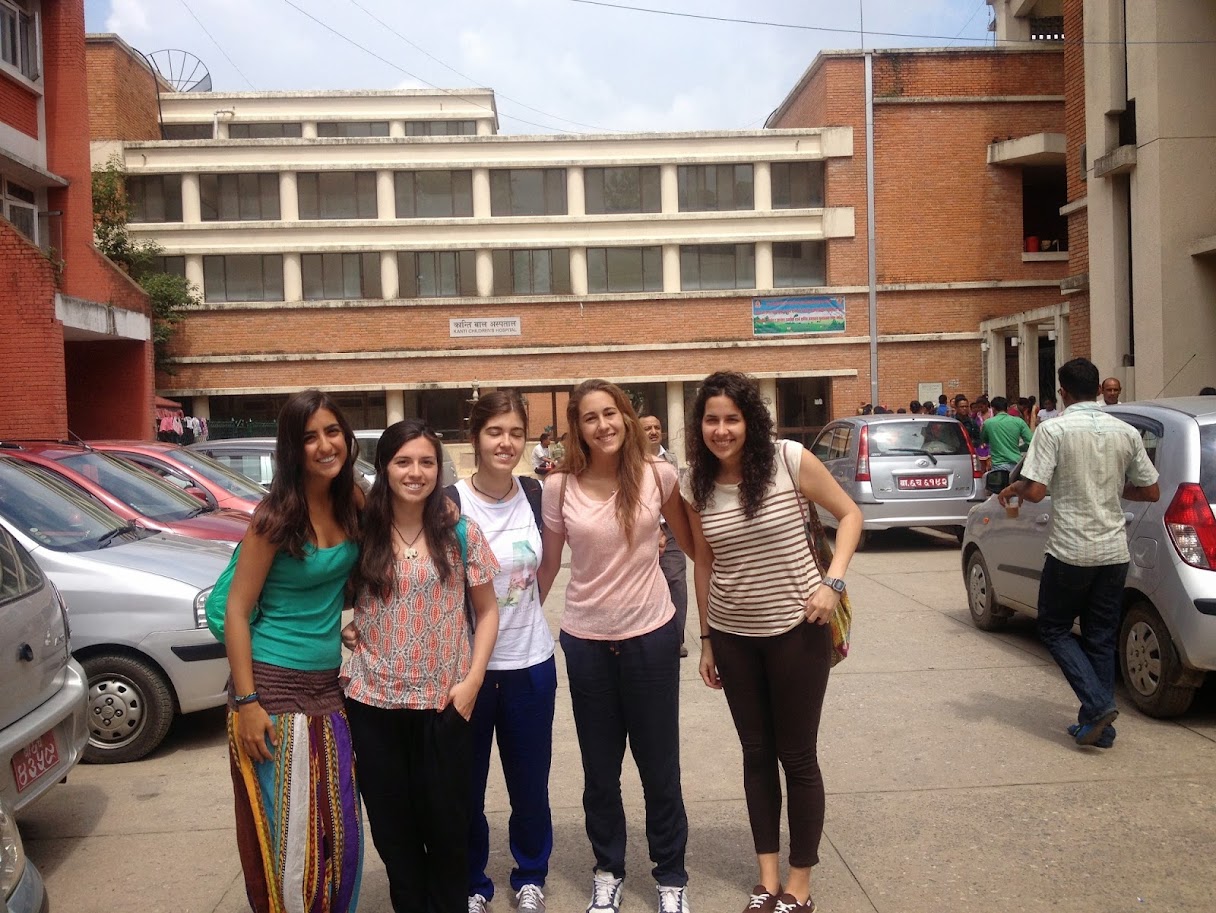
Clinical Elective at Kanti Children’s Hospital Nepal
Gain Valuable Paediatric Clinical Experience in Kathmandu
The Clinical Elective at Kanti Children’s Hospital, Nepal offers medical students an opportunity to observe paediatric healthcare in one of Kathmandu’s major children’s hospitals.
The placement is particularly suitable for students interested in paediatrics, child health, emergency medicine, surgery, community health and global medicine.
During the elective, students can observe Nepalese doctors and healthcare professionals caring for children from Kathmandu and from communities across Nepal. The experience provides valuable insight into paediatric medicine in a different healthcare system and cultural environment.
Gap Bridge Nepal assists students throughout the process, from application and hospital coordination to airport pickup, orientation, accommodation and local support.
Who Can Apply?
This program is designed mainly for medical students who have already started their clinical education.
Applicants should normally:
- Be enrolled in a recognised medical school or university
- Have started their clinical years
- Normally be in at least the third year of medical school or equivalent
- Have basic knowledge of clinical medicine
- Be able to communicate effectively in English
- Show a genuine interest in paediatrics and child healthcare
- Be willing to follow hospital regulations and professional standards
- Respect patient privacy, child safeguarding and Nepalese culture
Final-year medical students are particularly well suited to the program.
Students who are still entirely in their pre-clinical years may contact Gap Bridge Nepal, but acceptance will depend on hospital approval.
What Will Students Do?
The elective is mainly observational and educational.
Depending on the department and hospital availability, students may:
- Join ward rounds
- Shadow paediatric doctors and medical officers
- Observe outpatient consultations
- Observe history taking and physical examinations
- Attend clinical discussions
- Observe emergency paediatric cases
- Learn about diagnosis and treatment of common childhood illnesses
- Observe minor procedures
- Observe surgical or specialist care when permitted
- Learn about child nutrition and growth
- Observe vaccination and preventive healthcare
- Learn about referral systems
- Interact academically with local doctors and medical students
- Compare paediatric healthcare practices between Nepal and their home country
The exact activities depend on hospital rules, patient needs, departmental availability and the student’s level of training.
Possible Clinical Areas
Depending on availability, students may request exposure to areas such as:
- General Paediatrics
- Paediatric Emergency
- Paediatric Surgery
- Neonatal and Infant Care
- Outpatient Department
- Child Nutrition
- Infectious Diseases
- Respiratory Conditions
- Paediatric Oncology
- Intensive Care
- Community and Preventive Child Health
Specific departments cannot be guaranteed until the hospital confirms the placement.
Applicants are encouraged to provide their first and second department preferences.
Hands-On Clinical Work
Gap Bridge Nepal does not guarantee hands-on medical procedures.
Any direct clinical activity must:
- Be authorised by the hospital
- Be appropriate to the student’s level of study
- Be supervised by an authorised healthcare professional
- Have appropriate patient or guardian consent
- Follow hospital and professional regulations
Students must not independently diagnose, prescribe medication, perform procedures or provide treatment.
The purpose of the elective is to learn from local healthcare professionals, not to replace them.
A Typical Day
A normal elective day may look like:
9:00 AM – Arrival at the hospital and morning rounds
10:00 AM–1:00 PM – Clinical observation, outpatient department or departmental activities
1:00–2:00 PM – Lunch break
2:00–3:00 PM – Continued observation, case discussion or departmental learning
Typical working hours are approximately 9:00 AM to 3:00 PM, although schedules may vary depending on the department.
Students who are interested in emergency medicine may occasionally have opportunities to observe evening or night activities, subject to hospital permission.
Program Duration
Placements may normally be arranged for:
- 2 weeks
- 3 weeks
- 4 weeks
- Additional weeks by arrangement
A placement of at least two weeks is recommended.
Students wishing to gain broader experience may also divide their time between Kanti Children’s Hospital and a rural community clinic or hospital.
For example:
2 weeks at Kanti Children’s Hospital + 2 weeks in a Rural Community Hospital
This provides an opportunity to compare specialised paediatric care in Kathmandu with healthcare delivery in rural Nepal.
Program Costs
| Duration | Program Fee |
|---|---|
| 2 weeks | €400 |
| 3 weeks | €500 |
| 4 weeks | €600 |
| Additional week | €150 |
A €100 confirmation deposit is required to reserve the placement.
The deposit is deducted from the total program fee and is not an additional charge.
What Is Included?
The program fee normally includes:
- Hospital placement coordination
- Hospital admission arrangements
- Pre-arrival support
- Airport pickup
- Orientation in Kathmandu
- Cultural and safety briefing
- Introduction to the hospital
- Accommodation during the placement
- Breakfast and dinner
- Local coordination
- Assistance with transportation
- Program supervision and support
- Emergency assistance
- Gap Bridge Nepal participation certificate
- Assistance with optional travel and trekking arrangements
Exact inclusions will be confirmed before the placement is booked.
What Is Not Included?
The program fee normally does not include:
- International airfare
- Nepal visa
- Travel and medical insurance
- Vaccinations
- Personal medication
- Lunch
- Bottled water and snacks
- Personal expenses
- Optional sightseeing
- Trekking and tours
- Additional hotel stays
- University charges from the student’s home institution
- Expenses caused by flight disruption or circumstances beyond our control
Accommodation
Students normally stay with an experienced Nepali host family or in suitable guesthouse accommodation in Kathmandu.
Host-family accommodation normally includes:
- Private or shared room
- Bed and basic furniture
- Bathroom facilities
- Breakfast
- Dinner
- Wi-Fi where available
- Support from the host family
Staying with a local family also gives students an opportunity to experience everyday Nepalese culture.
Food
Breakfast and dinner are normally provided by the host family.
Meals commonly include:
- Dal Bhat
- Rice
- Lentils
- Vegetables
- Curry
- Roti
- Eggs
- Noodles
- Seasonal Nepali dishes
Students normally arrange their own lunch while at the hospital.
Vegetarian meals can generally be arranged. Applicants should inform us in advance about allergies or important dietary requirements.
Orientation
Before beginning the elective, students receive an orientation from Gap Bridge Nepal.
Orientation normally covers:
- Introduction to Nepal
- Nepalese culture and customs
- Healthcare system in Nepal
- Hospital expectations
- Professional conduct
- Child safeguarding
- Patient confidentiality
- Appropriate dress
- Transportation
- Accommodation
- Health and safety
- Emergency contact procedures
- Useful Nepali words and phrases
Students are then introduced to the hospital and their placement contact.
Application Requirements
Applicants should normally provide:
- Completed Gap Bridge Nepal application form
- Current CV or résumé
- Copy of passport
- Recent passport-sized photograph
- University or medical-school letter
- Confirmation of current year of medical study
- Evidence that clinical training has started
- Preferred clinical department
- Proposed placement dates
- Elective learning objectives, if required
- Travel and medical insurance before arrival
- Emergency contact details
The hospital may request additional documentation.
University Letter
The university letter should ideally confirm:
- Student’s full name
- Name of university or medical school
- Current year of study
- Confirmation of current enrolment
- Confirmation that clinical training has begun
- Proposed elective dates
- Purpose of the elective
Students should apply early if their university requires formal elective approval documents.
Professional Conduct
Students must behave professionally throughout the placement.
Participants are expected to:
- Respect children and their families
- Protect patient confidentiality
- Follow hospital instructions
- Respect cultural differences
- Dress professionally
- Attend the placement punctually
- Remain within their level of competence
- Follow infection-control procedures
- Maintain appropriate professional boundaries
Photography and Child Safeguarding
Because this placement involves children, privacy and safeguarding are particularly important.
Students must not:
- Photograph children without appropriate permission
- Photograph medical records
- Share patient information on social media
- Publish identifiable patient stories
- Exchange private contact information with children without approval
- Remove children from hospital areas without authorisation
Patient dignity and child protection always come before the educational interests of visiting students.
Health and Insurance
All participants must have suitable travel and medical insurance before arriving in Nepal.
Insurance should ideally cover:
- Medical treatment
- Hospitalisation
- Emergency evacuation
- Repatriation
- Personal accident
- Travel disruption
Students should also consult a travel-health professional regarding vaccinations and other health precautions before travelling.
What Can Students Learn?
A paediatric elective in Nepal can help students develop:
- Greater understanding of paediatric medicine
- Clinical observation skills
- Cross-cultural communication
- Awareness of global health
- Understanding of resource-conscious healthcare
- Adaptability
- Professional confidence
- Appreciation of different healthcare systems
Students may also gain insight into how social and economic factors, nutrition, geography and access to healthcare can influence children’s health.
Combine Your Elective with Rural Healthcare
Students interested in global and community health may combine the Kanti Children’s Hospital elective with a rural placement.
A rural placement may provide exposure to:
- Community clinics
- Rural health posts
- Maternal and child health
- Vaccination programs
- Nutrition education
- Primary healthcare
- Mobile health camps
- Healthcare in resource-limited communities
Combining an urban paediatric hospital with rural healthcare can provide a much broader understanding of Nepal’s healthcare system.
Explore Nepal During Your Elective
Outside hospital hours and on weekends, students can explore Nepal.
Gap Bridge Nepal can assist with:
- Kathmandu cultural tours
- Himalayan trekking
- Short hiking trips
- Wildlife experiences
- Meditation programs
- Monastery visits
- Village homestays
- Mountain sightseeing
Students may also extend their stay before or after their elective to travel around Nepal.
Apply for Your Clinical Elective
Students interested in the Clinical Elective at Kanti Children’s Hospital, Nepal should provide their proposed dates, current year of study and preferred clinical area.
Applicants should normally have started their clinical years and be at least in the third year of medical school or equivalent.
Gap Bridge Nepal will review the application, communicate with the hospital and guide students throughout the placement process.