
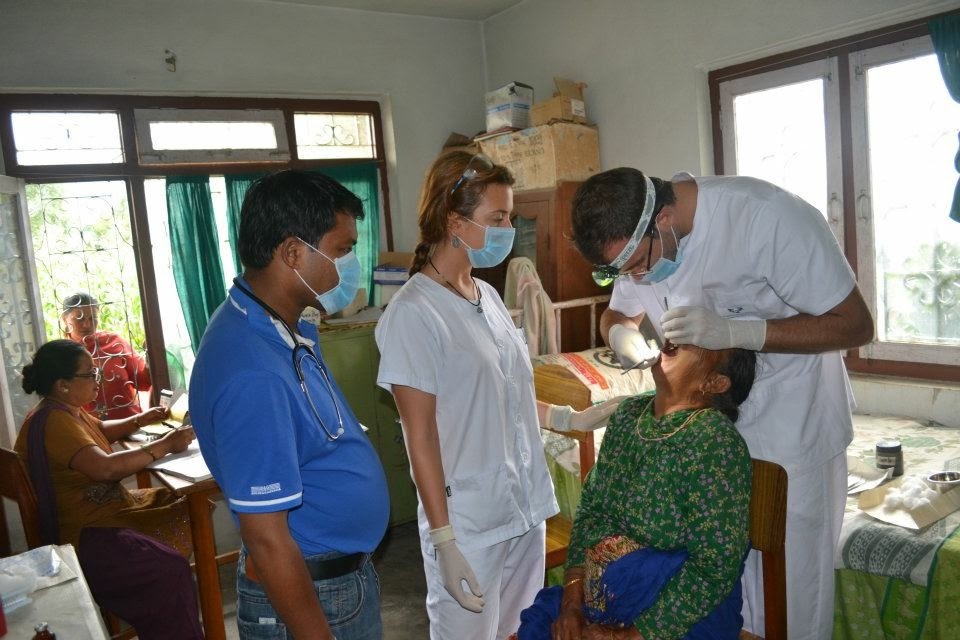
Medical Elective in Rural Community
Experience Healthcare Beyond the City
The Medical Elective in Rural Communities in Nepal offers medical students an opportunity to experience healthcare in communities where hospitals, specialist services, diagnostic facilities, and transportation may be limited.
Away from Kathmandu’s large teaching hospitals, community hospitals, rural clinics, and health posts play an essential role in providing primary healthcare to people living in villages and remote areas. Doctors, nurses, health assistants, and community health workers often work with limited equipment and resources while caring for patients with a wide range of medical needs.
Through this program, students can observe local healthcare professionals, learn how common conditions are managed in a resource-limited setting, and gain a deeper understanding of the social, cultural, geographical, and economic factors that influence health in Nepal.
Gap Bridge Nepal arranges the placement in cooperation with local healthcare institutions and provides accommodation, orientation, local coordination, and support throughout the elective.
Why Choose a Rural Medical Elective?
A rural elective offers a very different experience from working in a large urban hospital.
Students may encounter communities where patients travel several hours to reach healthcare services and where specialist treatment is not immediately available. Healthcare professionals often have to make clinical decisions using basic diagnostic facilities and refer complicated cases to larger hospitals.
The experience can help students understand:
- Rural and community healthcare delivery
- Primary healthcare systems
- Resource-limited medicine
- Patient referral systems
- Maternal and child health
- Preventive healthcare
- Health education
- Nutrition and sanitation
- Common infectious and non-communicable diseases
- The relationship between poverty, culture, geography, and health
- Challenges faced by rural healthcare professionals
What Will Medical Students Do?
The placement is primarily observational and educational.
Depending on the healthcare facility, department, student’s level of study, and local regulations, participants may:
- Join morning ward rounds
- Shadow doctors, nurses, and health assistants
- Observe outpatient consultations
- Observe patient history taking and examination
- Learn about diagnosis and treatment in a rural setting
- Observe emergency cases
- Learn about maternal and child healthcare
- Observe minor procedures
- Visit local health posts
- Learn about vaccination programs
- Observe pharmacy and laboratory services
- Participate in health-education activities
- Learn about patient referral to larger hospitals
- Join community outreach programs when available
- Observe mobile health camps when organised
- Discuss cases and rural healthcare challenges with local clinicians
Activities vary according to patient numbers, staff availability, local needs, and the policies of the placement institution.
Hands-On Clinical Experience
Gap Bridge Nepal does not guarantee hands-on medical work.
Students must remain within their level of training and competence. Any clinical involvement must be:
- Permitted by the healthcare institution
- Appropriate to the student’s level of study
- Supervised by an authorised healthcare professional
- Acceptable to the patient
- Consistent with local regulations and professional standards
Students must never perform procedures independently, prescribe medication, or provide treatment without proper authorisation and supervision.
The primary purpose of the elective is learning from local healthcare professionals rather than replacing them.
Possible Clinical Areas
Depending on the placement, students may gain exposure to:
- General Medicine
- Emergency Medicine
- Paediatrics
- Maternal and Child Health
- Obstetrics and Gynaecology
- General Surgery
- Orthopaedics
- Outpatient Department
- Community Medicine
- Public Health
- Pharmacy
- Laboratory Services
- Health Education
- Rural Health Posts
Specific departments cannot always be guaranteed because smaller rural hospitals may not have separate specialist departments.
Students who remain flexible usually gain the most from the experience.
Community Health Experience
One of the most valuable aspects of a rural elective is seeing healthcare outside the hospital.
When available, students may have opportunities to visit nearby communities and learn about:
- Village health services
- Community health workers
- Immunisation programs
- Maternal-health awareness
- Nutrition education
- Hygiene and sanitation
- Family planning
- School health activities
- Health screening
- Disease-prevention campaigns
- Mobile clinics and health camps
These experiences help students understand that healthcare involves much more than treating illness inside a hospital.
A Typical Day
A typical placement day may begin between 9:00 AM and 10:00 AM and finish between 3:00 PM and 5:00 PM.
A day may include:
Morning: Meet healthcare staff and join ward rounds or outpatient consultations.
Midday: Observe clinical activities, patient assessments, laboratory services, or minor procedures.
Lunch: Break with local staff or near the healthcare facility.
Afternoon: Continue clinical observation, visit a health post, participate in health education, or discuss cases with local healthcare professionals.
Working hours are flexible and may change according to emergencies, patient numbers, local holidays, weather, and the needs of the healthcare facility.
Rural Placement Locations
Placements may be arranged in community hospitals, rural clinics, and health posts outside central Kathmandu.
Depending on availability, locations may include communities in the Kathmandu Valley or other rural districts of Nepal.
Some locations may require several hours of travel by local bus or jeep.
Rural Nepal can be very different from Kathmandu. Participants should be prepared for:
- Basic healthcare facilities
- Limited diagnostic equipment
- Simple accommodation
- Limited internet access
- Occasional electricity interruptions
- Basic transportation
- Fewer restaurants and shops
- Traditional village lifestyles
For many students, adapting to these conditions becomes an important part of the learning experience.
Who Can Apply?
This program is primarily designed for:
- Medical students
- Final-year medical students
- Medical elective students
- Nursing students
- Public-health students
- Paramedic or emergency-care students
- Other healthcare students, subject to placement approval
Qualified healthcare professionals interested in observing or supporting rural healthcare may also contact Gap Bridge Nepal for individually arranged placements.
Program Duration
The recommended duration is two to four weeks.
Possible placements include:
- 1 week
- 2 weeks
- 3 weeks
- 4 weeks
- Longer electives by arrangement
Students may also combine a rural placement with a hospital elective in Kathmandu.
For example:
2 weeks Kathmandu Hospital + 2 weeks Rural Community Hospital
This combination provides an excellent opportunity to compare healthcare delivery in a large urban hospital with healthcare services in a rural community.
Food and Accommodation
During the rural placement, students normally stay with a local Nepali host family, guesthouse, or accommodation arranged near the healthcare facility.
Accommodation may include:
- Private or shared room
- Bed and basic furniture
- Shared bathroom facilities
- Breakfast and dinner
- Local support
Meals commonly consist of traditional Nepali food such as Dal Bhat—rice, lentils, vegetables, and curry—along with roti, noodles, eggs, seasonal vegetables, and other local dishes.
Living within the community gives students an opportunity to experience Nepalese culture, family life, food, and traditions beyond the medical placement.
Orientation
Before beginning the placement, participants receive an orientation from Gap Bridge Nepal.
Orientation may cover:
- Introduction to Nepal
- Local culture and customs
- Healthcare system in Nepal
- Placement expectations
- Professional behaviour
- Patient confidentiality
- Health and safety
- Transportation
- Accommodation
- Communication
- Emergency procedures
- Basic Nepali words and phrases
Participants will then be introduced to the healthcare facility and local supervisor.
Application Requirements
Applicants may be asked to submit:
- Completed application form
- Current CV or résumé
- Passport copy
- Recent photograph
- University or medical-school letter
- Confirmation of current year of study
- Elective learning objectives, if required
- Travel and medical insurance
- Emergency contact information
- Vaccination information when appropriate
Additional documentation may be requested by individual hospitals or universities.
Students should apply as early as possible, particularly when their university requires formal placement documentation.
Patient Privacy and Professional Conduct
Medical students must maintain high professional and ethical standards throughout their placement.
Participants must:
- Respect patient dignity
- Protect patient confidentiality
- Follow instructions from local doctors and supervisors
- Ask permission before observing sensitive examinations
- Never photograph a patient without appropriate permission
- Never photograph medical records
- Never publish identifiable patient information online
- Dress professionally
- Follow infection-control procedures
- Remain within their level of competence
- Respect Nepalese culture and local medical practices
- Maintain appropriate professional boundaries
Patient welfare always comes before the educational interests of the participant.
Health and Safety
Participants should seek professional medical advice before travelling to Nepal regarding recommended vaccinations and personal health precautions.
Medical students should have suitable travel and health insurance covering:
- Medical treatment
- Hospitalisation
- Emergency evacuation
- Repatriation
- Personal accident
- Planned travel activities
Participants working in healthcare environments must follow appropriate infection-prevention procedures and bring suitable professional clothing and footwear.
What Is Included?
The program fee normally includes:
- Pre-arrival support
- Medical placement arrangement
- Communication with the healthcare institution
- Airport pickup
- Orientation in Kathmandu
- Cultural and safety briefing
- Introduction to the placement
- Accommodation during the placement
- Breakfast and dinner
- Local coordination
- Placement supervision and support
- Emergency assistance
- Gap Bridge Nepal certificate of participation
- Assistance with optional travel and trekking arrangements
Exact inclusions will be confirmed before the placement is booked.
What Is Not Included?
The program fee normally does not include:
- International airfare
- Nepal visa
- Travel and medical insurance
- Vaccinations
- Personal medication
- Lunch and snacks
- Bottled drinks
- Personal expenses
- Optional sightseeing
- Trekking or tours
- Additional hotel stays
- University administrative charges, when applicable
- Special hospital charges not included in the agreed program fee
- Transportation outside the agreed program itinerary
Any additional cost associated with a particular placement will be explained before confirmation.
Combine a Rural Elective with Kathmandu
Students who have enough time can combine two healthcare environments in one elective.
Kathmandu Hospital Placement
Experience a larger hospital with specialist departments, greater patient numbers, diagnostic facilities, consultants, and medical students.
Rural Community Placement
Experience primary and community healthcare with fewer resources and closer interaction between healthcare workers and the local community.
Combining both can provide a broader understanding of the strengths and challenges of Nepal’s healthcare system.
Why Join a Rural Medical Elective in Nepal?
A rural medical elective is not simply an opportunity to observe different diseases or treatments. It is an opportunity to understand how medicine is influenced by the environment in which people live.
Students can see how healthcare professionals adapt when resources are limited, how families make decisions about seeking treatment, and how distance, transportation, income, education, and cultural beliefs can affect patient outcomes.
The experience can help develop:
- Clinical observation skills
- Cultural awareness
- Communication skills
- Adaptability
- Understanding of global health
- Appreciation of resource-conscious medicine
- Knowledge of community healthcare
- Professional confidence
- Respect for different healthcare systems
Most importantly, students have an opportunity to learn with and from Nepalese healthcare professionals and communities.
Explore Nepal Beyond Your Elective
Gap Bridge Nepal can also help participants combine their medical elective with:
- Himalayan trekking
- Cultural tours
- Meditation programs
- Monastery stays
- Wildlife experiences
- Village homestays
- Community volunteering
Whether you spend your entire elective in a rural community or combine it with a Kathmandu hospital placement, Gap Bridge Nepal can help design a program based on your university requirements, medical interests, and available time.